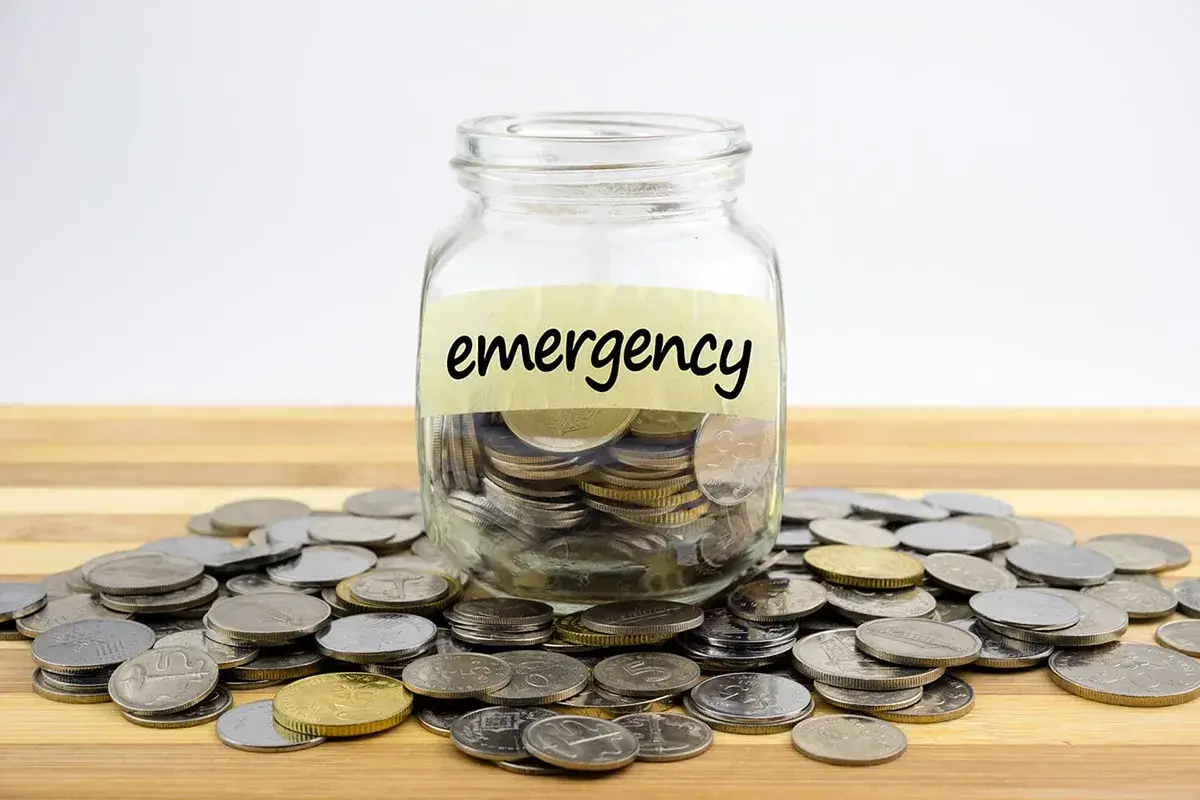
12 Simple Steps to Create a Robust Emergency Fund
Imagine this: your car breaks down unexpectedly. You need money for repairs, but your budget is tight. Many people face this situation. It can feel stressful when you don't have savings to fall back on. An emergency fund acts like a safety net. It helps you deal with life’s surprises without panicking or going into debt.
In this article, you’ll learn simple steps to build that safety net. We’ll discuss how much to save and where to keep your money. You’ll discover helpful tips that anyone can implement, even if money is tight. By the end, you’ll feel more secure and prepared for whatever life throws your way. Let’s get started!
1. Assess Your Current Finances
Know where you stand to plan for tomorrow
Assessing your current finances is the first step toward building an emergency fund. Start by gathering your income and expenses. List your monthly earnings from all sources. Then, track your spending for a few weeks. Apps like Mint can help you see where your money goes. Look for fixed expenses like rent or utilities. Don't forget to include variable costs like groceries or entertainment.
Next, calculate your total monthly expenses. Subtract that number from your total income. This gives you a clear picture of your financial situation. If your expenses exceed your income, it's time to make changes. For example, if you’re spending too much on dining out, consider cooking at home more often. Small adjustments can free up money for savings. Knowing where you stand will help you set realistic goals for your emergency fund.
Useful Information:
- Gather all your bank statements, pay stubs, and expense reports for the last three months to get a clear financial picture.
- Use a budgeting app like Mint to categorize your spending and identify areas where you can cut back.
- Calculate your total monthly income by adding salaries, side hustles, and any passive income streams.
- List all your monthly expenses, including fixed costs (like rent) and variable costs (like food or entertainment), to see where your money goes.
- Assess your debts by listing outstanding balances and interest rates, helping you prioritize repayments and free up cash for savings.
2. Set a Savings Goal
Watch your peace of mind grow with savings goals
Setting a savings goal is crucial for building an emergency fund. Start by deciding how much you want to save. Think about what an emergency looks like for you. For instance, it might be three months’ worth of expenses. This amount offers a safety net during tough times. Break it down into smaller targets. Aim to save a specific amount each month. This makes it easier to stay on track.
Consider using a clear timeline. Planning to save your goal in one year? That’s just about $83 a month if your goal is $1,000. You can even set up an automatic transfer to your savings account. Apps like Digit automatically save money for you. Each step you take counts. Celebrate small victories along the way. This keeps you motivated. Remember, building an emergency fund takes time. Stay focused, and soon you'll see progress.
Useful Information:
- Determine how much you need for emergencies by calculating 3 to 6 months' worth of living expenses.
- Open a separate high-yield savings account, like those from Ally or Marcus, to earn more interest on your emergency fund.
- Break your total savings goal into smaller monthly targets, like saving $200 monthly to reach $2,400 by the end of the year.
- Track your progress using apps like Mint or YNAB to stay motivated and adjust your saving strategies.
- Set up automatic transfers to your savings account right after payday to ensure consistency in saving.
3. Create a Budget
Find financial clarity with a straightforward budget plan
Creating a budget is the first step to building your emergency fund. Start by listing your income and monthly expenses. Include everything from rent to groceries. Track your spending for a month to see where your money goes. This insight helps you identify areas to cut back. Many people find dining out often adds up quickly. Reducing those meals can free up cash for savings.
Next, set a savings goal. Aim for three to six months' worth of expenses. This target gives you a clear number to work toward. Allocate a percentage of your income each month to your emergency fund. Treat this savings as a necessary expense.
Regularly review your budget. Adjust it as your circumstances change. Stick to your plan, and you'll build that fund over time. Remember, every small contribution adds up. Be patient and stay committed. Your peace of mind is worth it!
Useful Information:
- Start with a detailed list of all monthly income sources, including salaries, side gigs, and any passive income.
- Identify fixed expenses like rent and utilities, which typically stay the same each month, for accurate budgeting.
- Track variable expenses, such as groceries and entertainment, to see where you can cut back and save more.
- Aim to allocate at least 20% of your income towards your emergency fund each month until you reach your goal.
- Use budgeting apps like Mint or YNAB (You Need A Budget) to help organize your finances and monitor spending in real time.
4. Open a Separate Account
Keep your savings organized and stress-free
Opening a separate account for your emergency fund is a smart move. This helps you keep your savings safe and separate from daily spending. Look for a high-yield savings account for better interest. Many banks offer accounts with no fees. This means your money grows a bit faster.
Consider using an account with online access too. It makes transferring money easy when you need it. You might want to start with a local bank or an online option. For example, Ally Bank provides good rates and is user-friendly.
Set a monthly goal for contributions. Automatic transfers can help you stay on track. By treating your emergency fund like a bill, you prioritize it. This account will give you peace of mind during tough times. With a solid emergency fund, you can handle unexpected expenses like car repairs or medical bills without stress.
Useful Information:
- Open a high-yield savings account to earn more interest on your emergency fund compared to a regular checking account.
- Look for banks like Ally or Marcus that offer competitive rates with no monthly fees.
- Keep your emergency fund separate from your spending account to avoid temptation to dip into it.
- Aim for at least three to six months’ worth of living expenses in your separate account.
- Use automatic transfers to build your emergency fund consistently each month without thinking about it.
5. Automate Savings Transfers
Set it and forget it for peace of mind
Automating savings transfers is a smart way to build your emergency fund. It makes saving easy and stress-free. Set up automatic transfers from your checking account to your savings account. You choose the amount and frequency, like weekly or monthly. Imagine getting paid, then automatically saving $50 each paycheck. This way, you save without even thinking about it.
Most banks and apps allow you to set this up quickly. You can start small. Even $10 a week adds up over time. After a few months, you'll see your savings grow. This method helps avoid the temptation to spend that money instead. Plus, it creates a habit of saving, which is essential for financial health.
By automating your savings, you’re taking control of your future. Soon, you’ll have a solid emergency fund ready for unexpected expenses. Making saving automatic makes it less daunting and more achievable.
Useful Information:
- Set up automatic transfers to your savings account right after payday to make saving a habit.
- Aim to save at least 20% of your monthly income; for example, if you earn $3,000 a month, transfer $600 to savings.
- Use apps like Qapital or Digit that allow you to automate savings based on your spending habits without much effort.
- Choose a specific day, like the 1st or 15th of each month, to schedule your transfer for consistency.
- Redirect money from your checking account to savings whenever you receive windfalls, such as tax refunds or bonuses, to boost your emergency fund quickly.
6. Start Small and Scale Up
Build your safety net, one step at a time
Starting small with your emergency fund makes it easier to build over time. Instead of aiming for thousands right away, set a simple goal. For example, try saving just $10 a week. That’s just two cups of coffee! Every little bit adds up. Focus on consistency instead of large amounts.
As you get used to saving, increase your contributions. If you receive a raise at work or a bonus, consider adding a portion to your fund. This gradual approach prevents overwhelming feelings.
Remember, even big brands like Apple started with small ideas. They didn't create the iPhone overnight. Instead, they built their success step by step.
Your emergency fund can grow in the same way. With persistence and time, you'll feel more secure. Aim for a goal that feels achievable. Soon, you’ll have a safety net ready for any unexpected events.
Useful Information:
- Start by saving just $5 a week in a high-yield savings account, like Ally Bank, to build momentum.
- Gradually increase your weekly savings to $20 as you get comfortable managing your budget.
- Set a small initial goal, such as saving $500 for unforeseen expenses, before aiming for a larger target.
- Automate your savings using tools like Acorns or Chime to effortlessly grow your emergency fund.
- Review and adjust your savings plan every few months to ensure you’re on track for your ultimate goal.
7. Cut Unnecessary Expenses
Keep more cash for what really matters
Cutting unnecessary expenses can boost your emergency fund. Start by reviewing your monthly bills. Look for subscriptions you rarely use, like that streaming service you forgot about. Cancel it! Eating out often? Try cooking at home. A simple homemade meal costs less than dining at a restaurant. Consider making coffee at home instead of stopping at your favorite café. Those small savings add up quickly.
Next, evaluate your shopping habits. Do you impulse buy? Make a shopping list before you head out, and stick to it. Another idea is to switch to generic brands. They often taste just as good and cost less.
Remember, every dollar saved is a dollar earned. By trimming your budget, you create a cushion for unexpected expenses. This way, your emergency fund grows stronger. Over time, you’ll feel more secure knowing you have money set aside for rainy days.
Useful Information:
- Review your monthly subscriptions and consider cutting services like Netflix or Spotify if you don’t use them regularly.
- Use budgeting apps like Mint to track spending and identify areas where you can save, such as dining out.
- Switch to a cheaper grocery store, like Aldi or Lidl, to save on everyday items without sacrificing quality.
- Cancel rarely used gym memberships and consider home workout apps, which can often be more cost-effective.
- Set a limit on impulse purchases and employ the "24-hour rule" to give yourself time to decide if you really need the item.
8. Increase Income Streams
Build stability with multiple income sources
Increasing income streams can boost your emergency fund. Consider a side gig like driving for a rideshare service. Many people earn extra cash this way. You could also sell handmade crafts online. Platforms like Etsy make it easy to reach buyers. Freelancing offers another option. Use your skills to write, design, or consult. Each extra dollar adds up quickly.
Think about passive income too. Investing in stocks or rental properties can help. Even a small investment can grow over time. Look for ways to monetize hobbies. For example, if you love photography, sell your photos online. Explore multiple avenues to bring in money. Each income stream strengthens your financial safety net.
Make a plan and set goals. Write down your ideas and track your progress. With effort, you’ll build a solid emergency fund. More income means more security for you and your family.
Useful Information:
- Consider starting a side hustle, like Etsy shop or freelance writing, to earn an extra $500 a month.
- Rent out a spare room on Airbnb to potentially make over $1,000 monthly.
- Invest in dividend stocks, aiming for a return of 3-5% annually to supplement your income.
- Participate in gig economy jobs, like Uber or DoorDash, to make an extra $15-30 per hour.
- Use cashback apps like Rakuten to save and earn back a percentage on everyday purchases, contributing extra money to your fund.
9. Monitor and Adjust Regularly
Stay flexible and keep your savings on track
Monitoring and adjusting your emergency fund is essential for its success. Life changes, and your savings need to keep up. Review your fund every few months to ensure it meets your needs. Maybe you got a promotion or moved to a new city. Both can affect your expenses.
If you find your fund is too small, consider increasing your contributions. Set a monthly goal to save a bit more. For instance, if you usually save $100, try $150 for a while. This adjustment gives you a larger safety net.
On the flip side, if you notice you’re saving too much, reassess your budget. Make sure you’re not sacrificing everyday enjoyment. Balance is key. Staying aware helps you keep your emergency fund robust and relevant. Regular checks allow you to adapt to life’s changes, making your financial setup stronger.
Useful Information:
- Set a routine, like monthly check-ins, to review your emergency fund balance and progress.
- Adjust your contributions based on changing expenses or income, aiming for 3 to 6 months' worth of living costs.
- Use budgeting apps like Mint or YNAB to track your savings and spending habits effectively.
- Be flexible and willing to increase your savings rate if you experience a pay raise or reduce unnecessary expenses.
- Reassess your financial goals every 6 months to ensure your emergency fund aligns with any life changes, like a new job or family situation.
10. Build Consistency in Saving
Save a little today for peace tomorrow
Building consistency in saving is key to creating a robust emergency fund. Start by setting a specific savings goal. Make it realistic based on your income and expenses. Next, automate your savings. For example, set up a direct deposit that transfers a percentage of your paycheck to your savings account. This way, you won’t even notice the money is gone. Try to save a little more each month. Even an extra $10 can add up over time. Review your budget regularly and look for areas to cut back. Treat these savings like a monthly bill; pay them first. Celebrate small victories along the way. Maybe you hit your monthly goal or saved a bit extra. Take a moment to appreciate your hard work. Building these habits takes time, but your future self will thank you. Consistency helps you feel secure and ready for anything life throws your way.
Useful Information:
- Automate your savings by setting up a direct deposit to your emergency fund account each payday, even if it's just $50.
- Use apps like Qapital or Chime to round up your purchases and save the spare change effortlessly.
- Start with a savings goal of 3-6 months’ worth of living expenses and break it down into monthly targets.
- Open a high-yield savings account with banks like Ally or Marcus to maximize interest on your savings.
- Set aside bonus money—such as tax refunds or work bonuses—specifically for your emergency fund to boost it faster.
11. Use Windfalls Wisely
Make every unexpected dollar count for your future
When you receive unexpected money, like a bonus or tax refund, consider saving it. This extra cash can boost your emergency fund significantly. Instead of spending it on a new gadget or a night out, put it aside for future needs. Think of how Starbucks employees benefit from earning extra tips. They often save this money for emergencies or future plans. You can do the same! Setting a goal for your windfall helps keep you on track. Decide how much to save and stick to it. Treat this money as a chance to secure your financial future. Consider setting up a separate savings account for these funds. This keeps your emergency money safe and easily accessible. Remember, a robust emergency fund provides peace of mind. Use windfalls wisely, and you’ll feel more secure when unexpected expenses arise. Making thoughtful choices increases your financial stability.
Useful Information:
- Set aside at least 20% of any windfall, like a tax refund or bonus, directly into your emergency fund.
- Consider using windfalls to pay off high-interest debt, which can free up more cash for savings later.
- Use unexpected money, like a gift or inheritance, to boost your emergency fund towards the target goal of 3-6 months’ expenses.
- Avoid lifestyle inflation; resist the urge to increase your spending just because of a sudden influx of cash.
- Automate deposits from windfalls into your emergency fund to ensure consistent growth without extra effort.
12. Review Your Fund Periodically
Keep your fund in check and stress at bay
Reviewing your emergency fund is essential. Life changes, and so do your needs. Take a look at your fund at least once a year. Check if it still meets your financial goals.
For instance, if you get a new job or have a baby, emotions run high. These changes can increase your expenses. An unexpected car repair or a medical bill can happen anytime. You want your fund to cover at least three to six months of living costs.
Adjust your savings based on your current situation. If you find you have less saved than needed, consider boosting your contributions. Set a specific amount each month. Make it a habit. This practice ensures your fund stays strong and ready for emergencies.
Stay proactive. A healthy emergency fund gives you peace of mind and financial security. Life can be unpredictable; being prepared makes a big difference.
Useful Information:
- Set a reminder every six months to check your emergency fund balance and adjust your savings goals if needed.
- Aim to have three to six months' worth of living expenses saved for emergencies, depending on your job stability.
- Use a high-yield savings account like Marcus by Goldman Sachs for better interest on your emergency fund.
- If your expenses increase, like moving to a new apartment, recalculate your target fund size accordingly.
- Review and update your budget regularly to ensure you're allocating enough towards your emergency fund each month.
Summary & FAQ
Summary
Building an emergency fund is essential for financial security. Start with small, manageable goals. Aim for three to six months' worth of expenses. Use a separate account to avoid the temptation to spend. Automate deposits to make saving easier. Remember, every little bit counts. You can feel more confident and secure with a solid fund. Get started today!
FAQ
Q: How much should I save in my emergency fund?
Aim for three to six months' worth of living expenses. This amount can vary based on your situation. For example, if your monthly expenses are $2,000, try saving between $6,000 and $12,000. You may adjust this based on job security or family size. Start small and gradually build; even $500 is a good start.
Q: Where should I keep my emergency fund?
Consider a high-yield savings account. These accounts offer better interest rates than regular ones. Online banks often provide higher rates. Avoid putting your fund in stocks, as investments can be volatile. You need quick access to that money. Choose a place that's easy to reach but separate from your spending accounts.
Q: How do I start saving for an emergency fund?
Begin by setting a specific savings goal. Identify how much money you need for emergencies. Break it down into monthly contributions. For instance, if you want $3,000, save $250 each month. Automate your savings to make it easier. Transfer funds straight to your savings each payday. Prioritize this fund over non-essential spending.


